Posted on 12/20/2024

Different Types Of Tires - What Is The Difference Have you ever stood in the midst of a tire aisle, feeling bewildered by the variety before you? You're not alone! Selecting the right tire is akin to finding the perfect pair of shoes: one doesn't simply grab a random set off the shelf. As any driver or automobile aficionado knows, the road beneath us changes like the seasons—wet, dry, icy, rough—and your vehicle's tires need to adapt just as your wardrobe does. Understanding Tire Terminology - From All-Seasons to Slicks Let's take a detour into the fascinating world of rubber rounds. There's an assortment, custom-built for every imaginable driving condition and performance need. Your choice can transform how your vehicle hugs curves on coastal roads, battles through winter wonderlands, or eats up highway kilometres. 1. All-Season Tires All-season tires are your steadfast friends&mdash ... read more
Posted on 12/5/2024

Have you ever stood in the midst of a tire aisle, feeling bewildered by the variety before you? You're not alone! Selecting the right tire is akin to finding the perfect pair of shoes: one doesn't simply grab a random set off the shelf. As any driver or automobile aficionado knows, the road beneath us changes like the seasons—wet, dry, icy, rough—and your vehicle's tires need to adapt just as your wardrobe does. Understanding Tire Terminology - From All-Seasons to Slicks Let's take a detour into the fascinating world of rubber rounds. There's an assortment, custom-built for every imaginable driving condition and performance need. Your choice can transform how your vehicle hugs curves on coastal roads, battles through winter wonderlands, or eats up highway miles. 1. All-Season Tires All-season tires are your steadfast friends—competent but not specialists in any one area. With moderate tread depths a ... read more
Posted on 1/10/2024

Have you ever felt the unease of wheels spinning futilely on a slippery road? That moment where control seems just out of reach can unsettle even the most composed drivers. Now, imagine a car that almost intuitively knows how to redistribute power to cling to the pavement like an alpine goat to its mountain perch. Welcome to the world of the Audi quattro system - possibly one of the greatest innovations in automotive All-Wheel Drive (AWD) technology. Engineering A Grip on Excellence Quattro, meaning "four" in Italian, embodies more than just a number for Audi; it represents an automotive legacy of mastery over treacherous terrain and inclement weather. Launched amid the whirling snowflakes of the 1980 Geneva Motor Show, this technology became a revelation on wheels. Its humble origins trace back to rallying - where performance meets harsh conditions head-on. Here, in competitive racing's grueling crucible, the need for superb traction ... read more
Posted on 1/3/2024
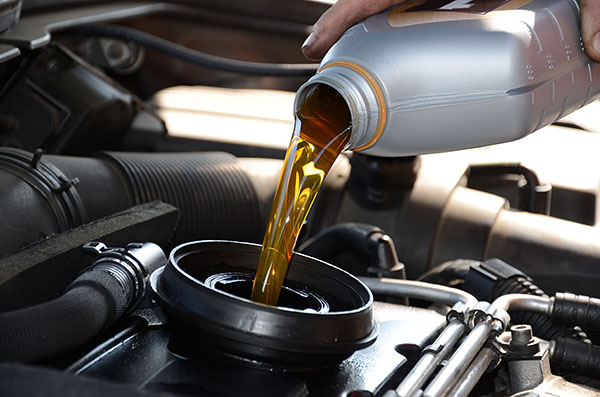
There's something almost sentient about the way our cars communicate with us. It's as if they are gently whispering their needs, or at times, urgently crying out for help. As a car owner, it's crucial to attune your senses to these mechanical signals, especially when it comes to the lifeblood of any vehicle—the engine oil. So how do you discern when your automobile is pleading for that fresh golden nectar? Let's explore the top five signs indicating that it's time for an engine oil change. 1. The Mileage Marker It's perhaps the most well-known sign, yet often ignored—a substantial increase in mileage since your last oil change. Consult with your vehicle's manual; it knows best about suggested service intervals. Most modern cars flash a reminder ... read more
Posted on 12/11/2023
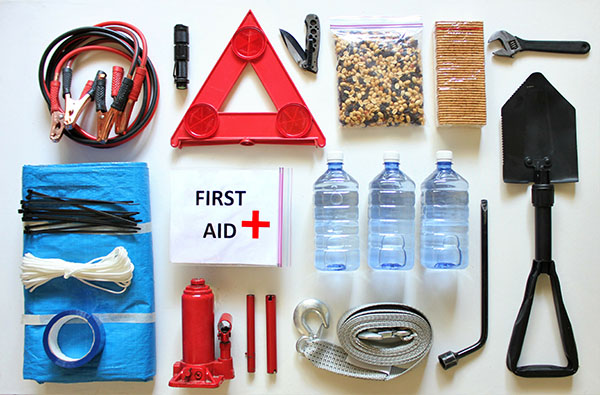
Picture the following scenario for a moment: "You're driving on a secluded stretch of road when, out of nowhere, your car decides it's time to take an impromptu break. Suddenly, the engine goes quiet, the electronics flicker off, and you're alone – perhaps for miles. An unsettling calmness blankets the scene." That doesn't sound like an inconvenience; it could be a dire situation. Having a well-equipped car emergency kit isn't about being paranoid—it's about being prepared. In this essential guide, we'll walk you through building a car emergency kit that will be your roadside companion and maybe even a lifesaver. Immediate Response Items In the heat of an emergency, some items need to be at your fingertips: A First-Aid Kit A robust first-aid kit should include not only band-aids but also antiseptics, painkillers, gauze pads, and bandages for various types of injuries ... read more
Posted on 12/8/2023
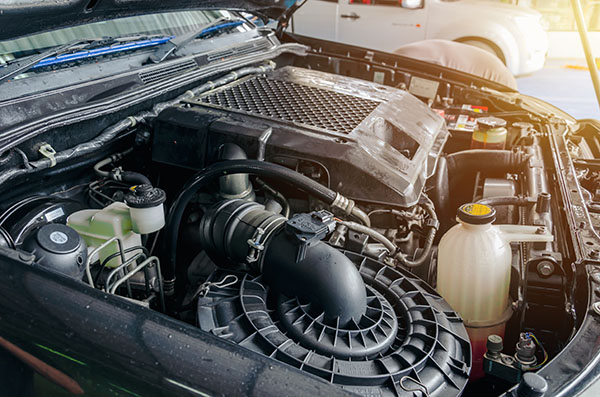
Waking up on a beautiful morning, preparing to drive to your favorite spot, only to hear the dreaded clicks and sputters of an engine that refuses to come to life. A well-maintained engine can mean the difference between a reliable car that's ready when you are and an ornery machine that leaves you stranded. Your car's engine is its heartbeat, and just like your own heart, it needs regular care to run smoothly. Here's a rundown of seven indispensable engine maintenance tips that every car owner should engrave in their minds. Keep Your Engine Clean The cleanliness of your engine greatly impacts your car's performance. Leaves, dust, and debris can accumulate under your hood and potentially interfere with critical components. Every few months, ensure your engine ba ... read more
Posted on 12/5/2023

It's not just your fingers that might be numb from the relentless icy winds of winter – your trusty car also feels the sting of cold weather. It may not shiver or chatter its components in discomfort, but the plummeting temperatures can wreak silent havoc on every bolt, battery, and belt beneath its frost-covered exterior. But worry not! We've put together some hot maintenance tips that will keep your vehicle running as smoothly as possible! Oil & Fluid Check As temperatures dive, oil can thicken, which means your engine might be doing cold morning calisthenics without proper lubrication. Switching to a winter-grade oil with lower viscosity ensures smoother startups and happier engines. Don't stop there; check transmission flu ... read more
Posted on 11/21/2023
Well winter tires have some advantages over sporty summer tires or even all season tires, mainly they remain softer when the temperature dips below 7 Celsius, and in Ontario we are below that after labour day at night until the end of April. back to the topic "whats involved when mounting my winter rims and tires?" Well at My shop Mark's Auto Service we always perform a courtesy inspection which includes a short road test. Why? This allows us to test for any warning lights, listen for any noises and get a feel for the brakes and handling. Then drive the vehicle into the shop, for a lift on the hoist, here we will remove the summer wheels, visual inspect the brakes, summer tires and record our findings on a tablet DVI digital inspection, then we will inspect the winter tires, the air pressure, check the winter tire balancing on our Hunter Road Force machine and adjust as necessary, then install and torque the wheels to manufacturer Specificat ... read more
Posted on 3/20/2014
Mrs. Jones Asks: Why does my book say change my oil at 8,000 Kms and my trusted repair shop is recommending it sooner at 6,000kms?Mark Says: Well I find that the oil change interval (time and KMS) between oil changes in the book are great if you don't plan to keep your car after the warranty runs out. Why? Well motor oil is the main lubricant and also a cleaner for you internal engine parts, and when oil is driven up to and over 8,000kms/ 6 months we find that deposits build up inside and can cause issues later on. New technology in engine designs like: Variable Valve Timing, Twin Cam overhead valves, Turbo Charging, Direct Fuel Injection, VCT transmission, Hybrid engines are all designed to give us: more power, use less fuel, reduced tail pipe emissions; All rely on clean quality oil and filter, and maybe some help from additives. Some of the Problems we see due to extended oil change intervals are ... read more
Posted on 2/13/2014

Thank you for your continued business this year! Please take advantage of our2014 New Year Savings Punch Card: Click on image for printable coupon or show this offer on your mobile device. Limit one per person. May be combined with Rewards Card Dollars. Expires February